Kenya’s Safari Seasons Explained
Kenya offers year-round safari experiences, but the timing can make a big difference. Here’s a guide to choosing the perfect season based on weather, wildlife activity, and travel goals.
1. July to October – The Great Migration Season
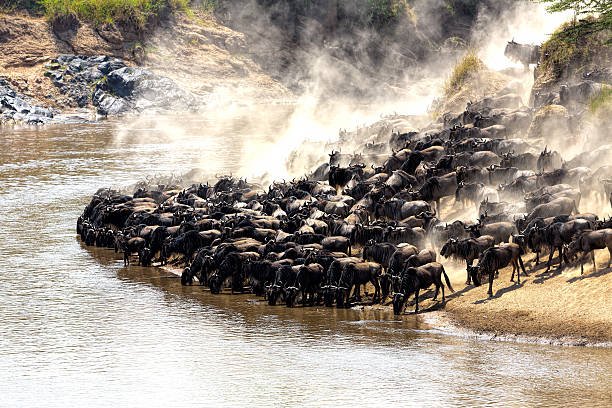
This is Kenya’s peak safari season, when millions of wildebeests and zebras cross into the Maasai Mara. It’s the ultimate wildlife spectacle — dramatic, thrilling, and unforgettable.
Expect sunny days, clear skies, and high wildlife visibility.
Perfect for: Wildlife photographers, first-time visitors, and luxury safari lovers. Explore migration routes and safari highlights in [[the-ultimate-guide-to-visiting-maasai-mara|The Ultimate Guide to Visiting Maasai Mara]].
2. November to February – Green Season
After the short rains, the parks burst into lush greenery. Fewer tourists, lower rates, and newborn wildlife make this a photographer’s dream. Perfect for: Birdwatching, romantic getaways, and budget travelers.
3. March to June – Quiet & Affordable
Although this is the long rainy season, it’s still a great time for experienced safari-goers who prefer privacy and discounted rates. The landscapes are lush, and sightings are still rewarding.
Perfect for: Adventure travelers, solo explorers, and peace seekers.
Year-Round Destinations
Some regions like Amboseli National Park, Tsavo, and Samburu offer excellent wildlife viewing throughout the year, thanks to permanent water sources and moderate climates.
Pro Travel Tip:
Book your Kenya safari at least 3–6 months in advance for better rates and availability — especially for popular parks like the Maasai Mara. For personalized itineraries, check out our [[kenya-safari-packages|Kenya Safari Packages]] page to design your dream African adventure.